A Vasectomy Reversal – The Lowdown

In the formative years, a Vasectomy was regarded as a permanent form of birth control. This has since changed because breakthroughs in the medical fields attest to this fact. Micro-surgery can be credited in facilitating a vasectomy reversal. This cutting edge surgery was successfully used in the urology field in 1971 by Earl Owen.
Worldwide figures indicate that there are 40 to 60 million vasectomies annually. However; the number of individuals asking for a vasectomy reversal has been exponentially increasing. A fact attributed to divorce, death of partner or children and in certain cases increase in resources like income. It is a documented fact that, 16% of males under 70 in the United Kingdom have vasectomies. Nevertheless, upward spiralling divorce and remarrying rates of 40%, make the need to reverse the procedure.
doctor-79579_640

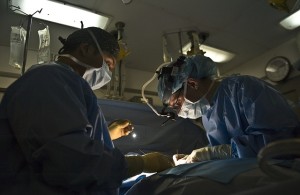
This vasectomy reversal procedure generally, involves the re-establishment of an uninterrupted sperm flow to the urethra. Prior to this procedure being performed, biological and other considerations such as, length of time since the vasectomy, cost, medical health insurance policy, proper consultations with urologist. It involves a simple surgery ranging from 1 to 4 hours. It involves small incisions ranging between 1 to 2 cm made on the upper sides of the scrotum after being cleaned with clean water and soap normally it is scrubbed to avoid infection. There is no need for sedation however localised anaesthesia is used during the process.

Vasectomy reversals can be classified in two broad groups, depending on how they are performed. Vasovasostomy, is a restorative procedure that connects the severed vas deferens both the abdominal vas deferens to the upper vas deferens.

This normally, restores the previous sperm flow. However, this can only be performed if the surgeon determines the presence of viable sperm and there is no evidence of secondary blockage caused by pressure build-up. A vas deferens to vas deferens connection is then made .Determination of sperm viability, is done through analysis of the fluid obtained from the abdominal vas deferens(testis end). This fluid is subject to scrutiny under the microscope to establish the presence of sperms.

At times, after vasectomy, there is a build-up of sperms due to the blockage by the severed end. These sperms later on accumulate to create a secondary blockage in the epididymis where sperms are stored. In such a case, the surgeon is forced to carry out another surgical procedure termed vasoepididymostomy. He cuts below the secondary epididymis blockage and bypasses the primary severed cut to create a continuous seamless flow of sperms to the urethra.

It is of note that, when microsurgery is used, reportedly there is a 70-95 percent sperm return to semen rate. However, the patency of the sperm is not universal in all patience. Studies shows, individuals from recent vasectomy who are reversing the procedure, generally have high patency as early as three months from the surgery. This surgery is convenient since, after two to three weeks, patients can be able to do light duties as opposed to other major surgery.

This procedure’s true test of success is the number of pregnancies after the surgery. A vasectomy reversal, is a relief to couples who may have changed their minds or people seeking to restart families after personal tragedies, or circumstances and should be embraced due to its relatively high success rates.

Seven a day?

Experts said, eating seven or more fruits and vegetables a day is healthier than the initially recommended minimum of five-a-day, advised by the World Health Organisation.

A study of 65,226 men and women show that the more fruit and vegetables people ate, the less likely they were to die at an early age. Fruit and vegetables have a protective effect against disease as they contained antioxidants, which repair damage to cells. As a required part of our balanced diet it is important that we eat a lot of them to ensure that we stay in good health. Eating fruits and vegetables has proved to lower the chance of developing health problems such as Type 2 Diabetes or Heart Disease.

granville-50423_640

The statistics: Eating one to three of our five-a-day reduces the risk of early death by 14%. Eating three to five fruits and vegetables a day reduces the risk of early death by 29%. Exceeding our currently recommended five-a-day and eating five to seven fruits and vegetables a day reduces the risk of early death by 36% and seven or more reduces the early death risk by 42%.

But most of us struggle to eat the currently recommended five fruits or vegetables a day. The reality is that over two-thirds of us are still short of the current target, many of our daily encounters with our five-a-day comes in the shape of a game of Fruit Ninja on our mobile devices. Should we really be shooting for the stars of eating seven portions a day when we can’t even manage five?


A Few Neat Tricks to Losing Weight

belly-2473_640

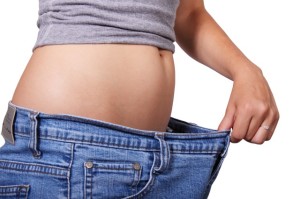
There are a few neat tricks which you can do to help jump start your weight loss program. These aren’t really anything to do with a diet per say, but things which you can do to begin changing your attitude towards food. One thing which you can do to better understand how much food your body needs is to reduce the size of your cutlery. This is because your body takes a while to notice that it has had enough and stop sending messages to your brain that it needs to eat more. Using smaller cutlery increases the time it takes you to eat a meal, and therefore gives your body more time to say it has had enough. A useful way of changing your attitude to food is to begin a food diary, where  you can record all of the food you’ve consumed, including the caloric intake. This will give you a more correct basis on which to plan your diet, as well as a greater understanding of how much more you consume than is necessary.

Fitness DVDs to avoid the Cold

There are plenty of fitness DVDs on the market, and if you want to stay in the warm but keep fit, then choosing a workout DVD can be a good option. Many celebrities have brought out their own DVDs whilst intense 6o day workouts can also be found.

fitness-332278_640

Some DVDs will focus on core strength, others will focus on weight loss, and then others will only be based around improving your fitness. The DVD you chose should be based around your desires, and if you’re looking to get bigger muscles and improve your lifting technique then a DVD focused on strength is ideal.

It can be difficult to get motivated to run out in the cold, and if you want to get fit in the warmth of your own home then do it, there’ no reason why fitness DVDs should not be considered if you want to keep fit. Just make sure you give yourself plenty of room to workout.

Dental Implants: What you should know before going for it

In spite of the improvements in dental health, many people still suffer from tooth loss; mostly due to gum disease (periodontitis), tooth decay, injury or failed root canal procedures. Previously, dentures and bridges were the most common solution to this problem but today, dental implants are becoming popular as well. Dental implants have proven to be secure, comfortable and effective.

dental-technician-80684_640

What are Dental Implants?

The development of implants is arguably the most revolutionary advancement in the dental cosmetic industry in the last 50 years. They are artificial roots that are manufactured from light and yet tough metals such as titanium. This metal is implanted into your jawbone to replace the root of your lost tooth. An abutment or extension is then fixed to the implant, after which an artificial replacement tooth is placed on the implant. Hence, the implant holds your new tooth in place. If you have two or more missing teeth, your dentist will attach several implants so as to anchor the whole arch of teeth. In general, the procedure can be performed using local anesthetic, and the patient stays awake during the operation.

Who qualifies the Procedure?

This procedure may be the ideal option for an adult who is in a good state of health, with healthy oral tissues and bones. The jawbone ought to be strong enough because the implant will be anchored on it. In cases whereby the development of the jawbone is abnormal or has shrunk, the doctor may build it up through a bone graft (a method of fitting new bone into the jawbone), or place smaller implants.

Another important factor to consider is the cost for the procedure. By and large, this procedure is expensive and may not be covered by insurance. Nonetheless, you can shop around and find dentists offering it at slightly cheaper prices.

How is this Procedure Done?

First and foremost, x-rays will be conducted to ascertain whether the procedure will work for you or not. Next, the area where the implant will be fixed is cut and then pushed aside, before a hole is drilled into your jawbone. The implant is then closely fitted into this hole, and the gum tissue is replaced and stitched.

Once the implant is fixed, it is let to integrate with the bone and allowed to heal. This may take between six weeks and six months. During the healing process, the patient is given bridges or temporary teeth, or may continue using his/her dentures. Avoid applying pressure on your gums during this time.

When the implanted area finally heals, the gum is cut once more so as to attach a post to the implant and a temporary clown. The surrounding tissue takes about four to six weeks to mature. After this is done, the permanent replacement tooth is placed on the dental implant.

How to take Care of Dental Implants

The replacement teeth ought to be cleaned and flossed, just like natural teeth. Your dentist will show you the proper way of cleaning them. In addition, you will be required to attend periodic checkups so that the dentist can ensure that the implants do not get loose and if your bite is correct.