Straightening Teeth at an Older Age

Braces are usually associated with young people and teenagers who have been referred to an orthodontist for treatment. However, it is also possible for people to get their teeth straightened at an older age using modern dental technology for a simple and pain-free experience. It’s ever too late to get the beautiful teeth and attractive smile you have always wanted.

Orthodontists and dentists will often use Invisalign, a dental treatment that has revolutionised the tooth straightening process. It can straighten out teeth and close up gaps, giving you a brand new smile and sorting out any issues with bite. The Invisalign braces will be removable, making them more hygienic than metal braces that are permanently attached to the teeth as they can be thoroughly cleaned. They will also be almost completely see through so people won’t know that you have braces. Measuring up and fitting is painless and your teeth will be straightened with small adjustments.

Visiting the Dentist Regularly

Many people dislike the dentist and therefore put off a regular visit. However, you should go on a regular basis in order to check everything is ok with your oral health. So if you are afraid of the dentist, it’s time to be responsible and make yourself an appointment anyway.

Dentists will be able to check your teeth over for you and make sure everything looks as it should. You might actually need a filling or another kind of treatment without even realising it, so you need your dentist to tell you about this. Your dentists will also be able to look at your gums and your tongue to spot signs of anything from plaque to mouth cancer.

You should usually have a dentist appointment every year, or perhaps every six months if you have had previous problems that need to be kept under control. You may also want to visit a hygienist to get a proper clean and to get your gums looked after.

Vitamin K – The Way Forward?

So many vitamin supplements, we know it can get confusing. Don’t worry, we get confused ourselves! Today we will discuss Vitamin K, a supplement which is great for your heart – Vitamin K2 helps to prevent hardening of the arteries, which is a common factor in coronary artery disease and heart failure. Extensive research suggests vitamin K2 may help to keep calcium out of your artery linings and other body tissues, where it can cause damage.

Vitamin K can help prevent cancer – A study in 2003 in the International Journal of Oncology, found that treating lung cancer patients with vitamin K2 slowed the growth of cancer cells, and previous studies have shown benefit in treating leukemia. In an August 2003 study published in the Alternative Medicine Review involving 30 patients with a type of liver cancer called hepatocellular carcinoma, who took oral vitamin K1, the disease stabilised in six patients; seven patients had a partial response; and seven others had improved liver function.In 15 patients, abnormal prothrombin normalised.

Scalps Massaging to Improve Hair Growth and Health

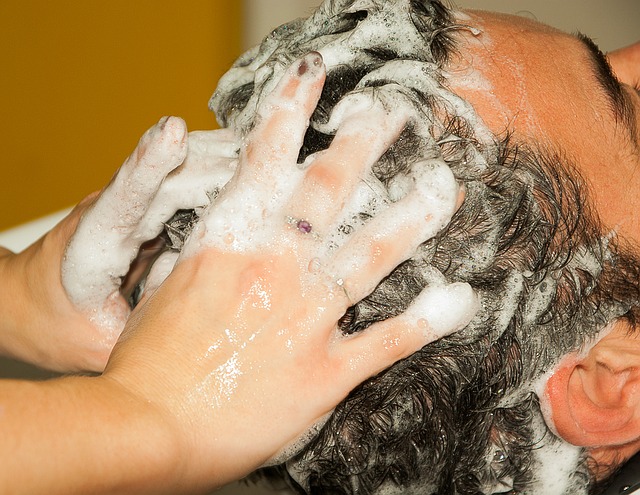
Scalp massages may be time consuming and messy but there are many wonderful benefits of massaging your scalp. A warm oil massage, done at least once a week has the following benefits:

  1. It lubricates and conditions the scalp, helping to prevent flakes and dry scalp without the use of harsh chemical shampoos.
  2. It helps enhance blood circulation in the head and neck area. When the scalp is “tight” from stress, circulation and hair growth are impeded.
  3. It helps relax the scalp and increase pliability.
  4. It helps strengthen the roots of the hair and nourishes the hair-shafts, promoting new hair growth and strengthening current hair.
  5. It helps soften and condition the hair, making it more manageable.

Have a go for 3 months and we guarantee you will notice a difference in the way your hair looks and feels. Scalp massages truly are a great thing.

Fitness Tracker – Safe To Wear All The Time?

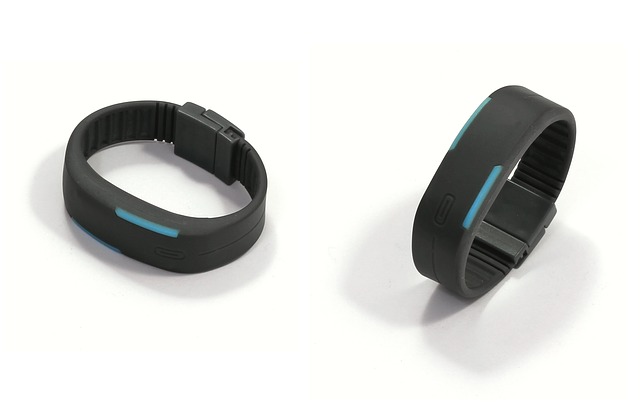
Fitness trackers — such as the FitBit, Jawbone UP24 and Nike+ FuelBand — collect data about your activity levels and sleep patterns, then send the information to your computer or smartphone via low-level radio-frequency waves.

“We have no information whatsoever on the long-term health effects of wearable fitness-tracking devices,” says Devra Davis, PhD, MPH, an epidemiologist and founder of the Environmental Health Trust. “The lack of proof of harm is not evidence of safety. You have to decide for yourself if that’s a risk you want to take.”

The non-ionizing waves emitted by wireless trackers are similar to those of cell phones, which have been classified as “possibly carcinogenic to humans” by the World Health Organization’s International Agency for Research on Cancer. The National Cancer Institute recommends limiting cell-phone calls that involve phone-to-head contact.

But unlike cell phones, activity trackers are meant to be worn on the body around the clock.